
As the City Of Ottawa celebrates its 200th Anniversary this year, I began to think of all the historical milestones it has gone through since 1826. The construction of the Rideau Canal began in 1826, overseen by Lt.-Col. John By, from whom Bytown got its name, later being re-named “Ottawa” in 1855.
Once a land of forests, swamps and unharnessed waterfalls, the Ottawa region looked much different two centuries years ago. The Algonquin people settled along the Kitcisìpi river, an important conduit for commerce, cultural exchange and transportation, often stopping at the “Anticou”, now known as Chaudiere Falls.
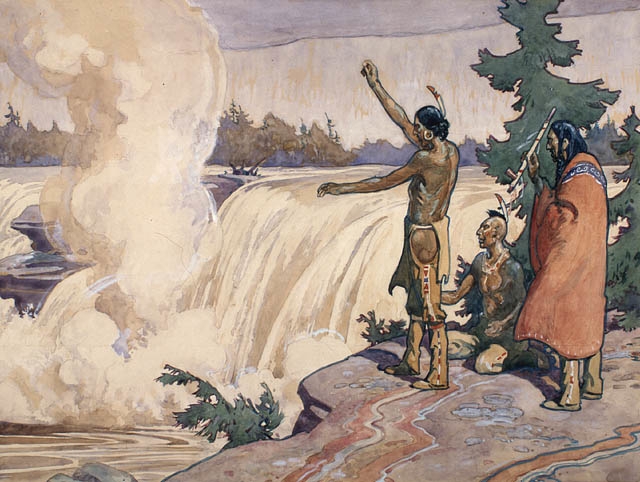
For generations canoes would be portaged, ceremonies would be performed, and stories would be told at the “great boiling kettle” waterfalls in Ottawa. However, there would be no permanent residence constructed in what is now the Ottawa area until an American by the name of Philomen Wright built in a small log cabin in Gatineau. Nothing was on the southern side of the Ottawa River in what is now Ottawa. Other than a trading post shanty operated by Jehiel Collins near the Chaudiere Falls in 1809, no other permanent structure existed on the south side of the river until the year 1810. Some may argue that Collins was the first to settle on the south side of the Ottawa River, which may be true, but was it a family home or simply a trading post? For the sake of this article, I will be focusing on the first family home, one built by a man who came to raise a family in what would become Ottawa.

This was an ambitious young man from Prescott who traversed the wilderness and built a log cabin in present day Nepean. His name was Ira Honeywell and he built the first permanent family home in Ottawa.
But what did Ottawa’s first home look like? Where exactly was it built? This is the search to find Ottawa’s first permanent residence…Honeywell House.
THE BACKSTORY
It was the winter of 1810 and Ira Honeywell’s father had just given him a plot of uninhabited land along the Ottawa river west of the Chaudiere Falls. His father, Rice Honeywell, was an American and a loyalist so land was granted to him for settlement, but he later chose to give that land over to his son, Ira, on the condition that one day he settled there. Lot 26 of the First Concession, Ottawa River Front,
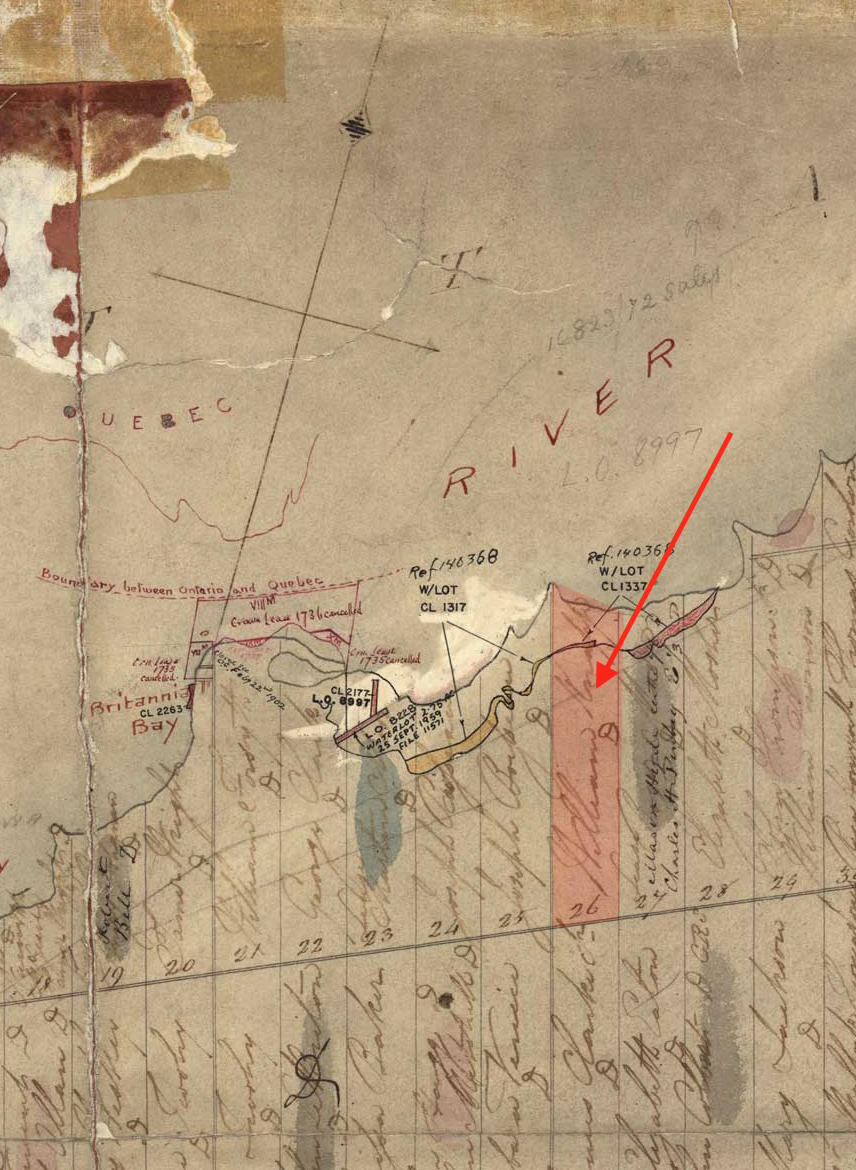
So once he was old enough, Ira headed north, braving the untamed wilderness that lay between Prescott and the Ottawa River to arrive at his new waterfront property in what is now Nepean. Full of trees, thick underbrush and glacial rocks, Ira was greeted with the daunting task of building his new family home, the first one in what is now Ottawa.
With the help of some of the residents across the river at Philomen Wright’s settlement in Hull, Quebec that arrived a decade earlier, Ira chopped down trees and built a log cabin structure that would become the first permanent residence in the Ottawa region. His cabin was located in a lot which is now the corner of Woodroffe Avenue and the Ottawa River Parkway. (which has been renamed several times)
Overlooking the Ottawa River it was here that young Ira finished the cabin that he would later bring his wife and 3 children to reside in over the winter of 1811. Packing their belongings onto a crude wooden sleigh pulled by oxen, the Honeywell’s left Prescott and arrived in Merrickville, ON.
Here they detoured onto the clear path of the frozen Rideau River that took them all the way to Hog’s Back Falls. From there they headed into the forest that covered the Ottawa region at the time and towards their newly built cabin. No other new settlers came to the Nepean/Ottawa area until 1814.
THE HOUSE

The Honeywell’s cabin would have been a typical early 1800s single storey log cabin structure, built from logs Ira and his friends across the river in Wrightstown (Hull) had chopped down on his Nepean land. They would then be laid horizontally and interlocked on the ends with notches using British cog joints. The space between the wall logs would have to be “chinked” to keep out the elements using a putty made from clay and moss. It likely would not have had a foundation but rather the logs would have been placed carefully on level, cleared ground that would have been covered with flat field stones, pulled from the shore of the Ottawa River that has an abundance of flat sedimentary stones to choose from, perfect for cabin floors.

The roof would have been covered with sheets of wood bark, shingled to protect the inhabitants from precipitation. On one end of the cabin there was a stone and mortar fireplace that would be used for cooking and providing heat. Multi-paned glass windows, likely brought up from Prescott or Merrickville, would have been on either side of the cabin in addition to a simple front door. This was a basic structure, the first of its kind in Ottawa, but it was a place to call home for Ira and his family in the winter of 1811.
As the harsh Ottawa winter turned to spring, Ira’s wife Polly gave birth to a son, John, and their land was cleared to create Ottawa’s first garden. Corn, potatoes, onions, and cucumbers would soon grow, feeding the family. Ira paddled his home-made canoe to either Montreal or Kingston to get other supplies as they were needed. As time progressed, the Honeywell’s eldest son, Rice, grew up to take over the property.

What happened to Ottawa’s first permanent home seems to have been lost in time, but there are some clues to be found. I researched some old newspaper articles and on of them explains that the “Old log Cabin” burned down sometime in the 1950s.
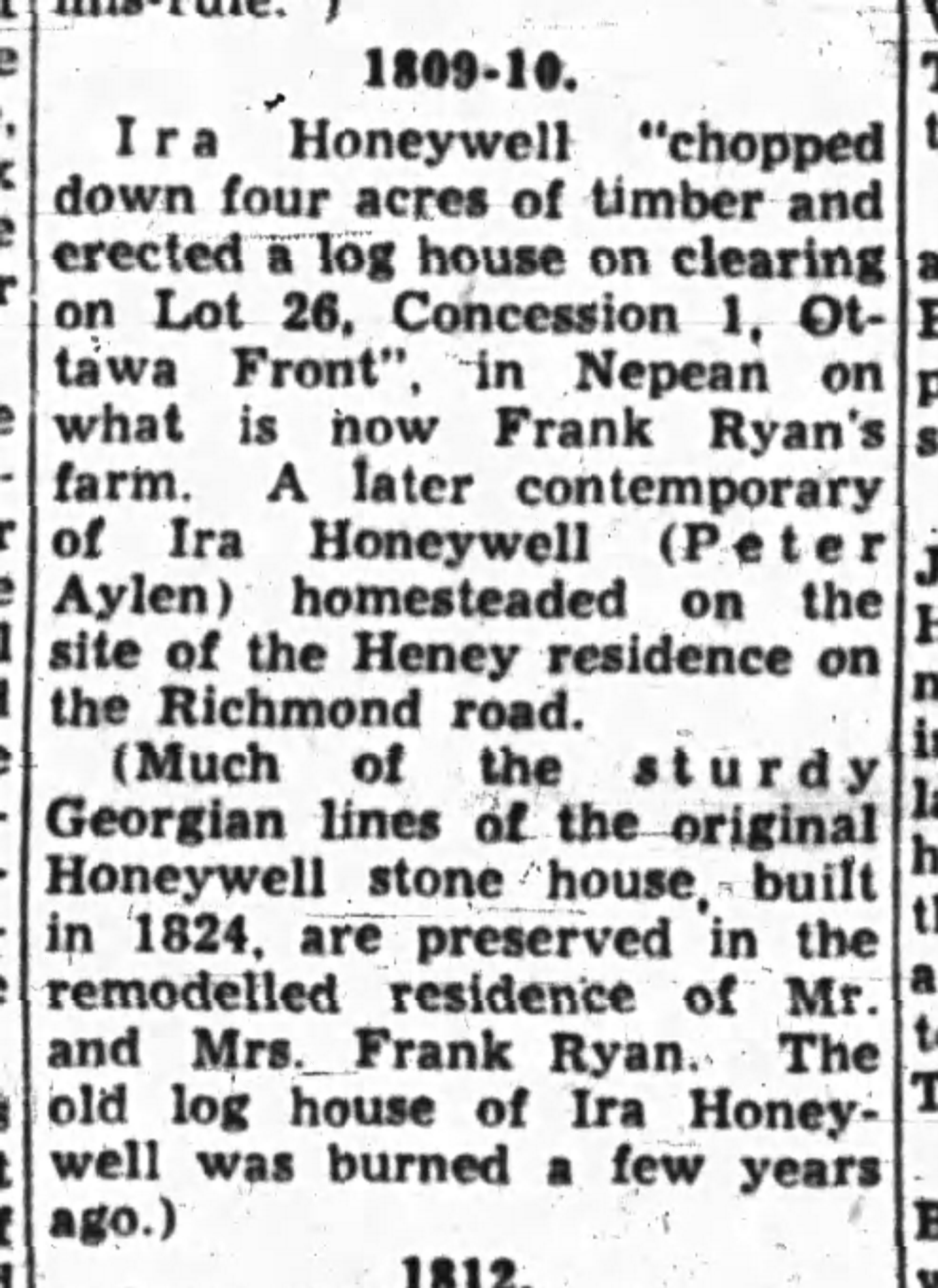
That means the structure should appear on maps or imagery from before that date….
THE SEARCH FOR HONEYWELL HOUSE
Using aerial photography from the 1920s, we can see the area where the Honeywell House would have been. There are a number of structures around that area but there is one small rectangular structure that could be the Honeywell House.
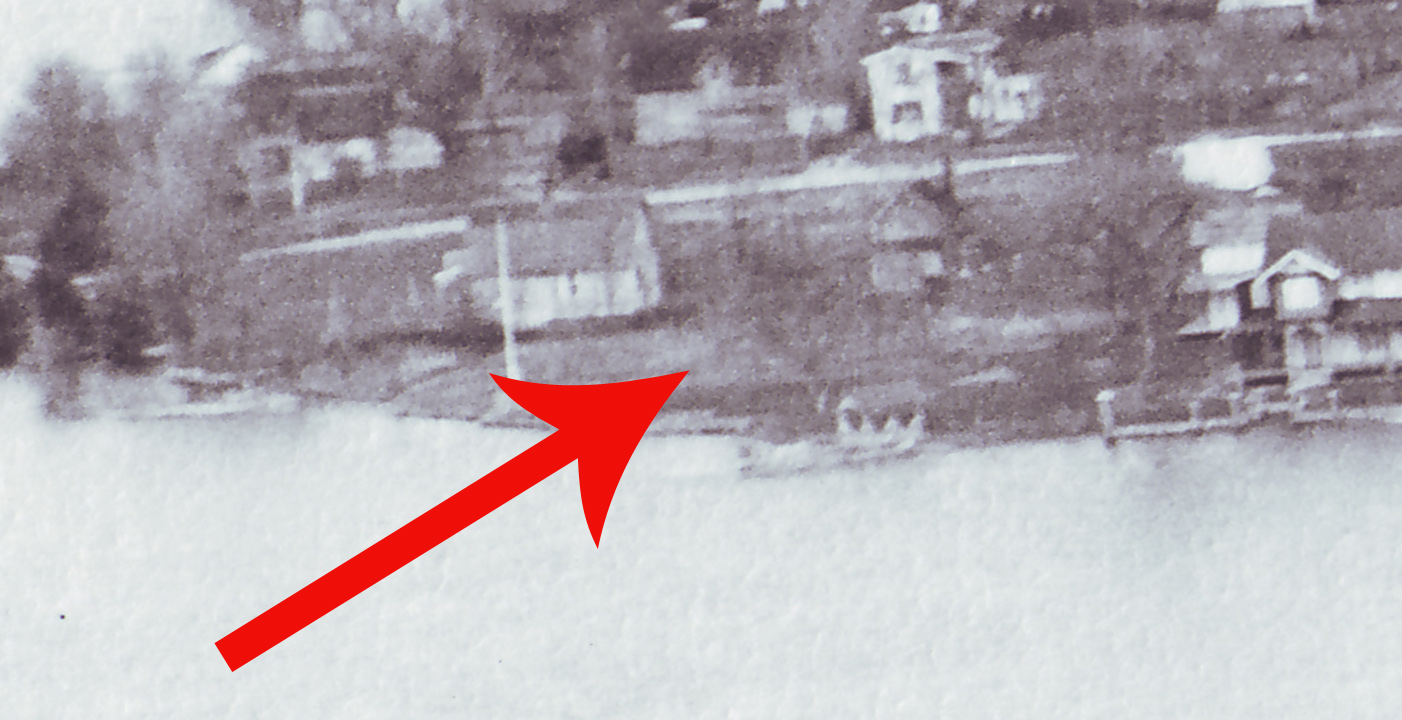
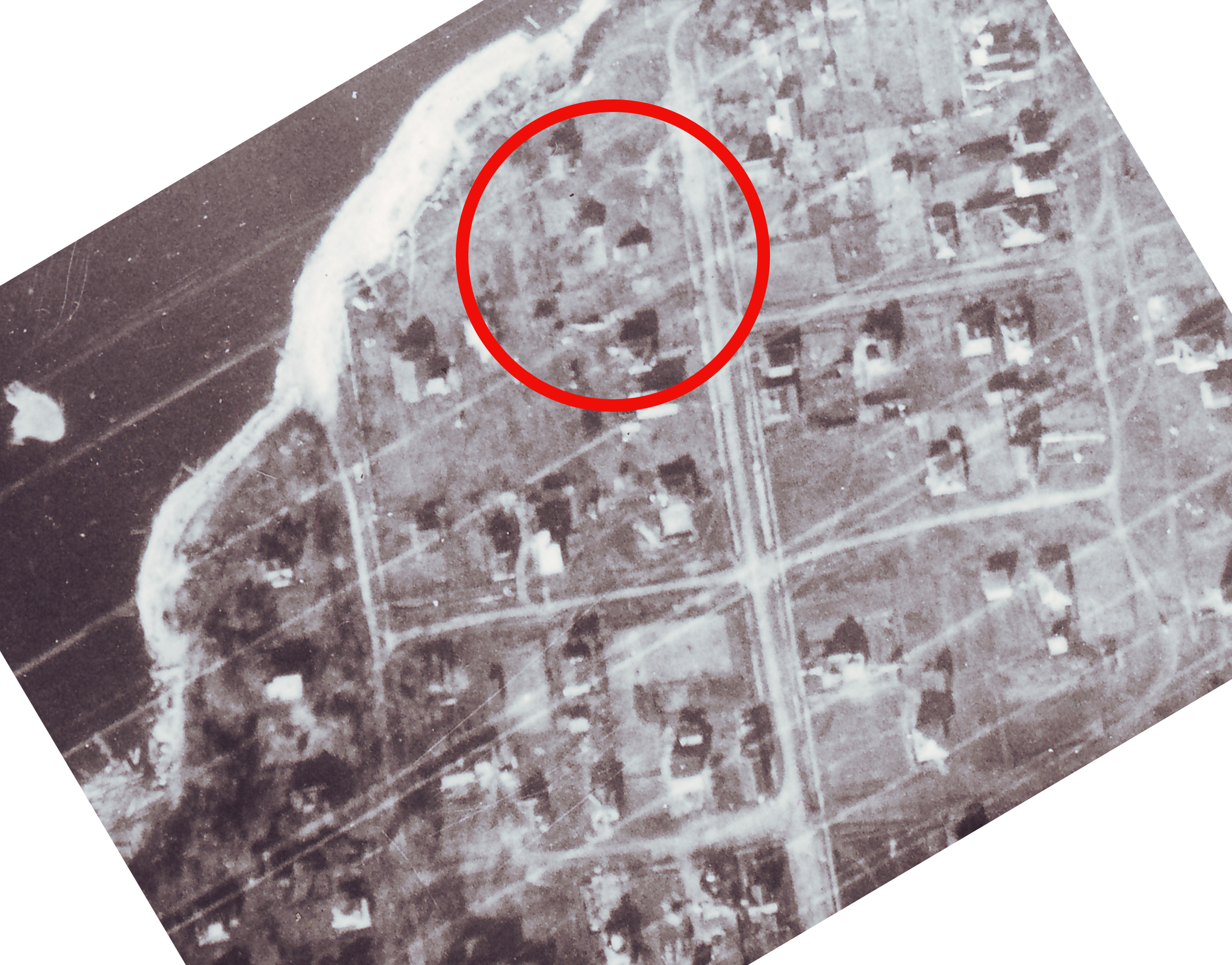
If the newspaper article is true, it states the cabin burned down in the early 1950s, as the small rectangular structure appears on a 1948 Fire Insurance Plan of that area, which is near Algonquin and Lockhart Avenues currently.
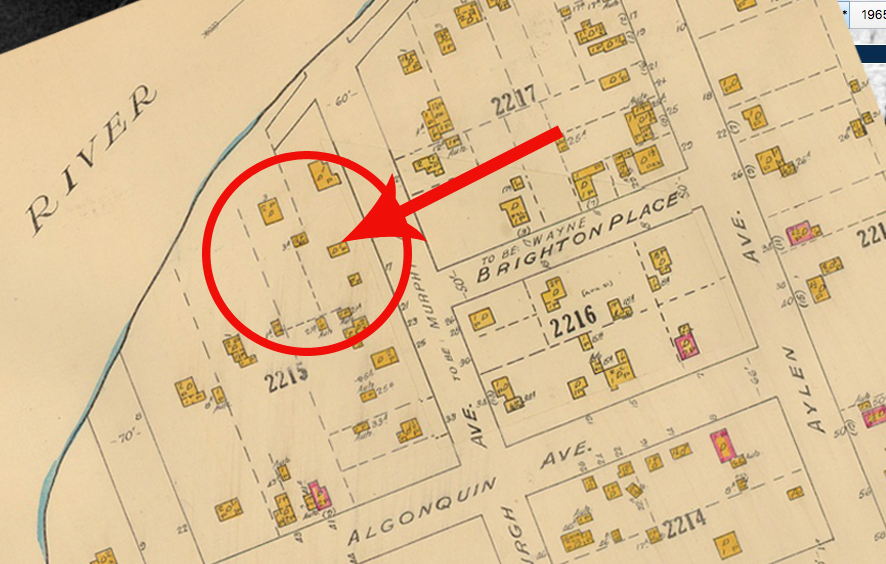
Using the older maps we can superimpose them together to see where that small cabin structure would have been located.
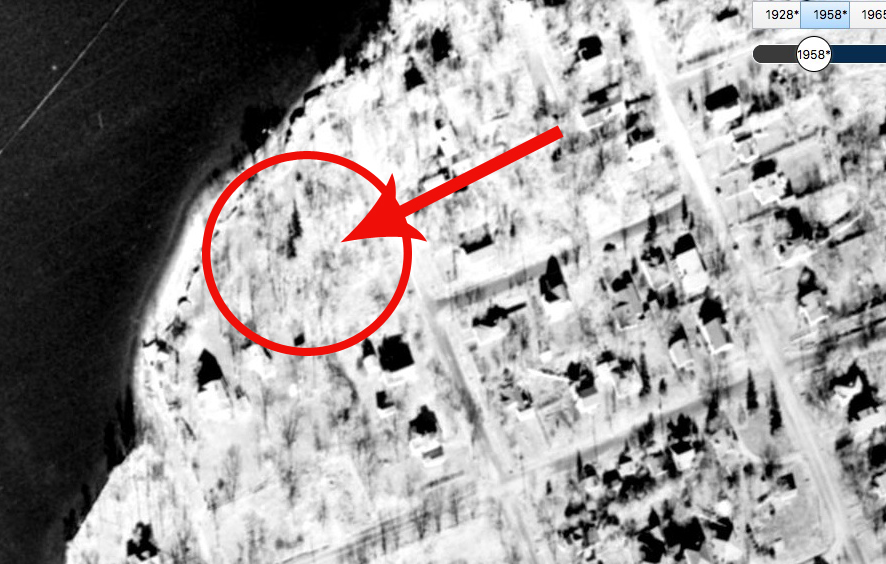
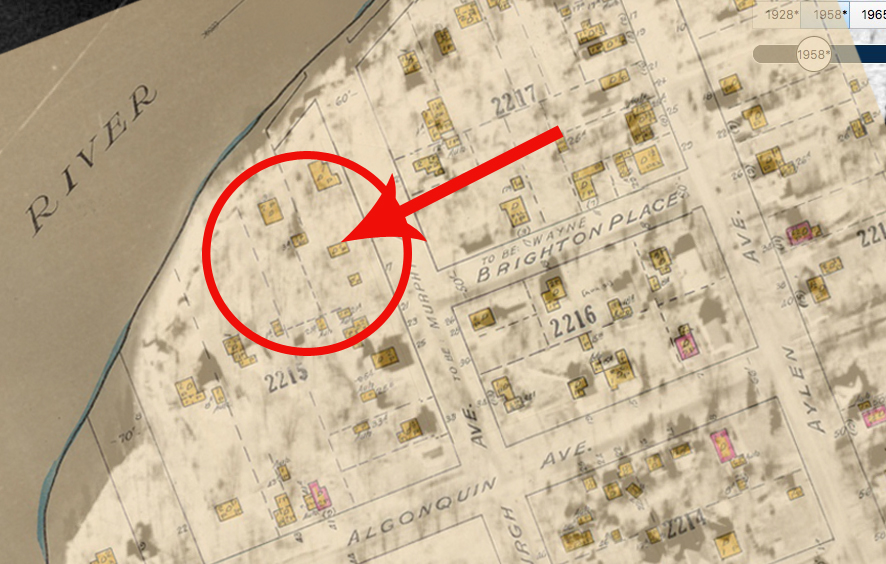
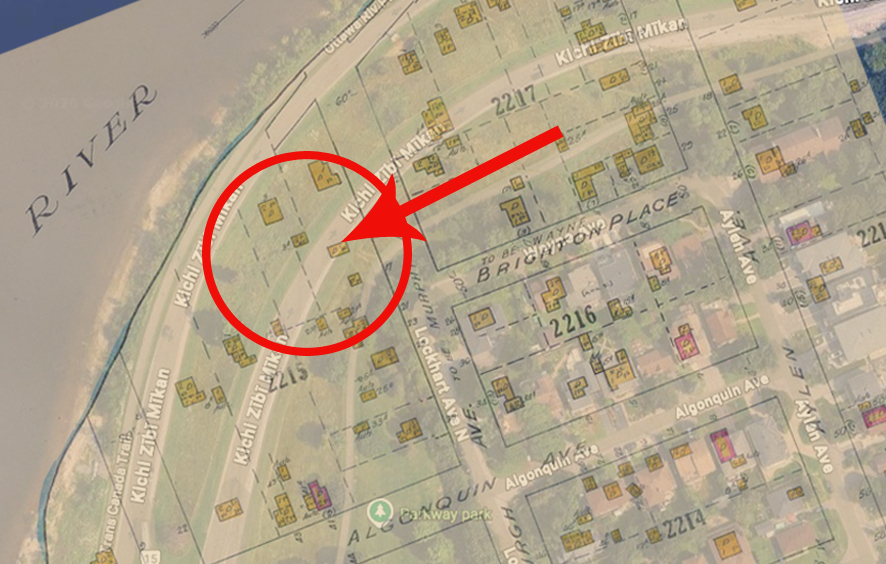
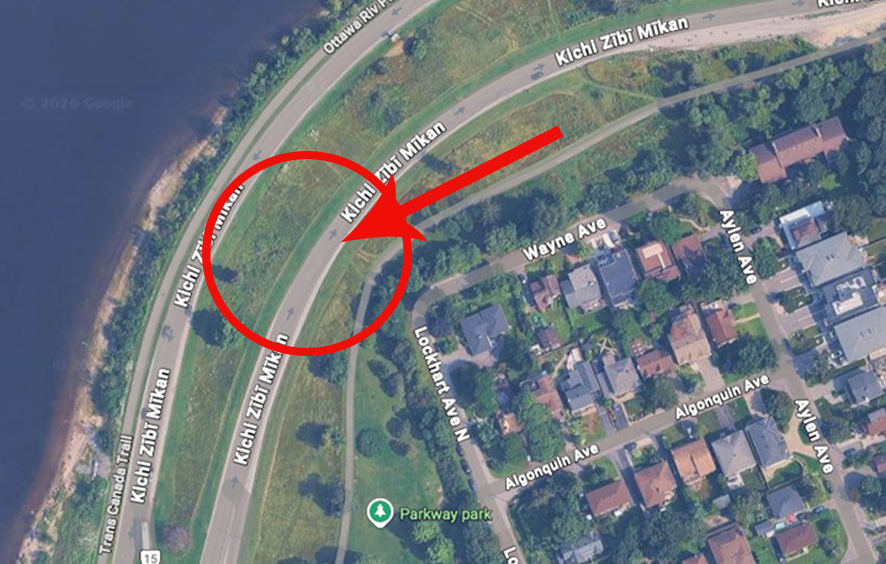
After the apparent fire that burned down the Honeywell cabin structure, further destruction of that area came in the form of a new Parkway. The Ottawa River Parkway was first proposed as part of Greber Plans for Ottawa in the 1940s and the parkway was built by purchasing former rail lands along the waterfront, and the purchase of private riverfront houses. Many homes were expropriated and demolished, including the Honeywell structures and those surrounding it. The ghosted overlay maps show the older homes that were removed for the Parkway.

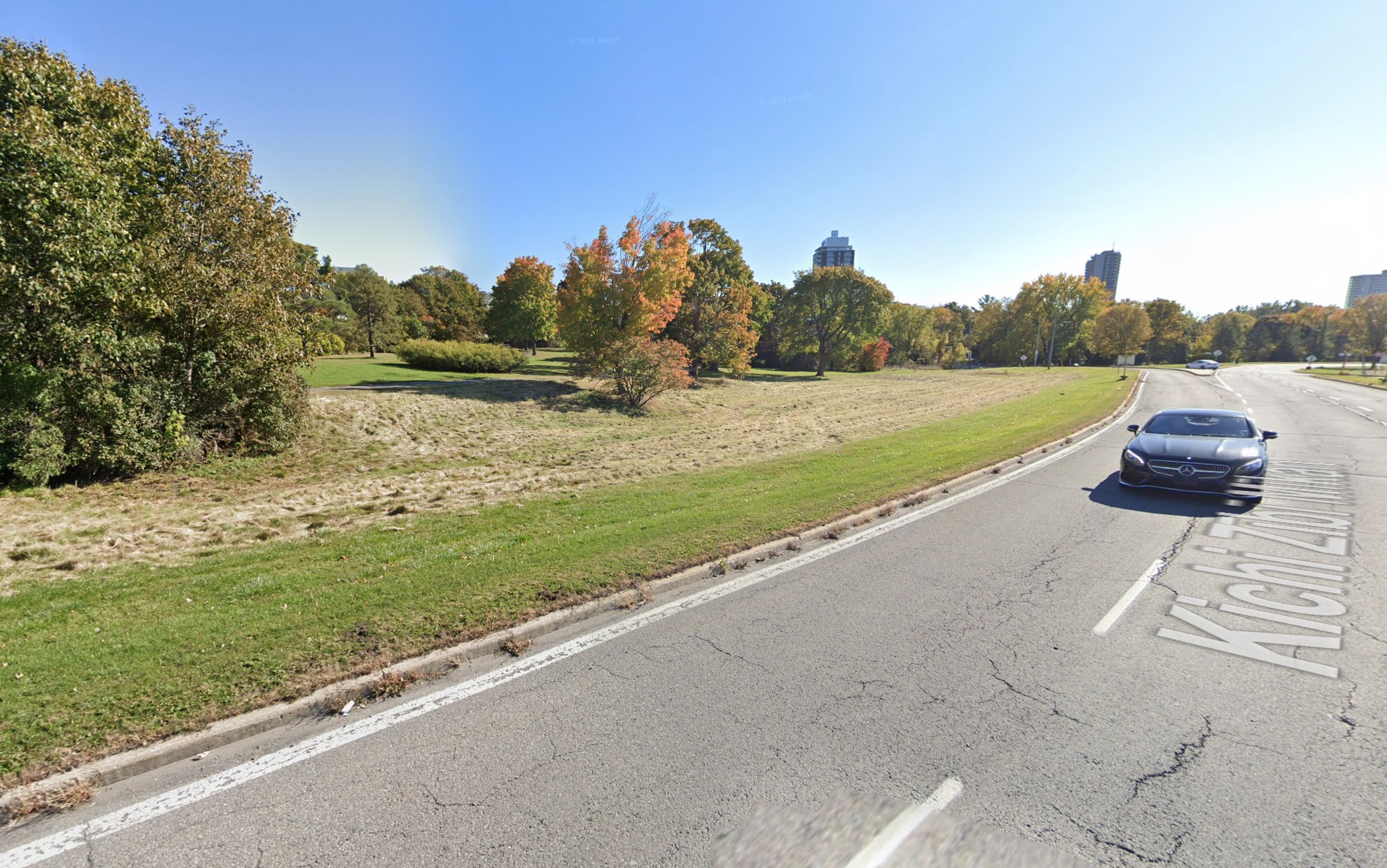
So it seems there are no remains left of Ottawa’s first permanent home, first burned then ploughed over by construction for the parkway. The map comparisons show that the likely placement of the Honeywell cabin was smack dab in the middle or just beside the current parkway road. In 1968 a small sign was placed nearby commemorating the Honeywell House but no other indication of its existence is marked.
CONCLUSION
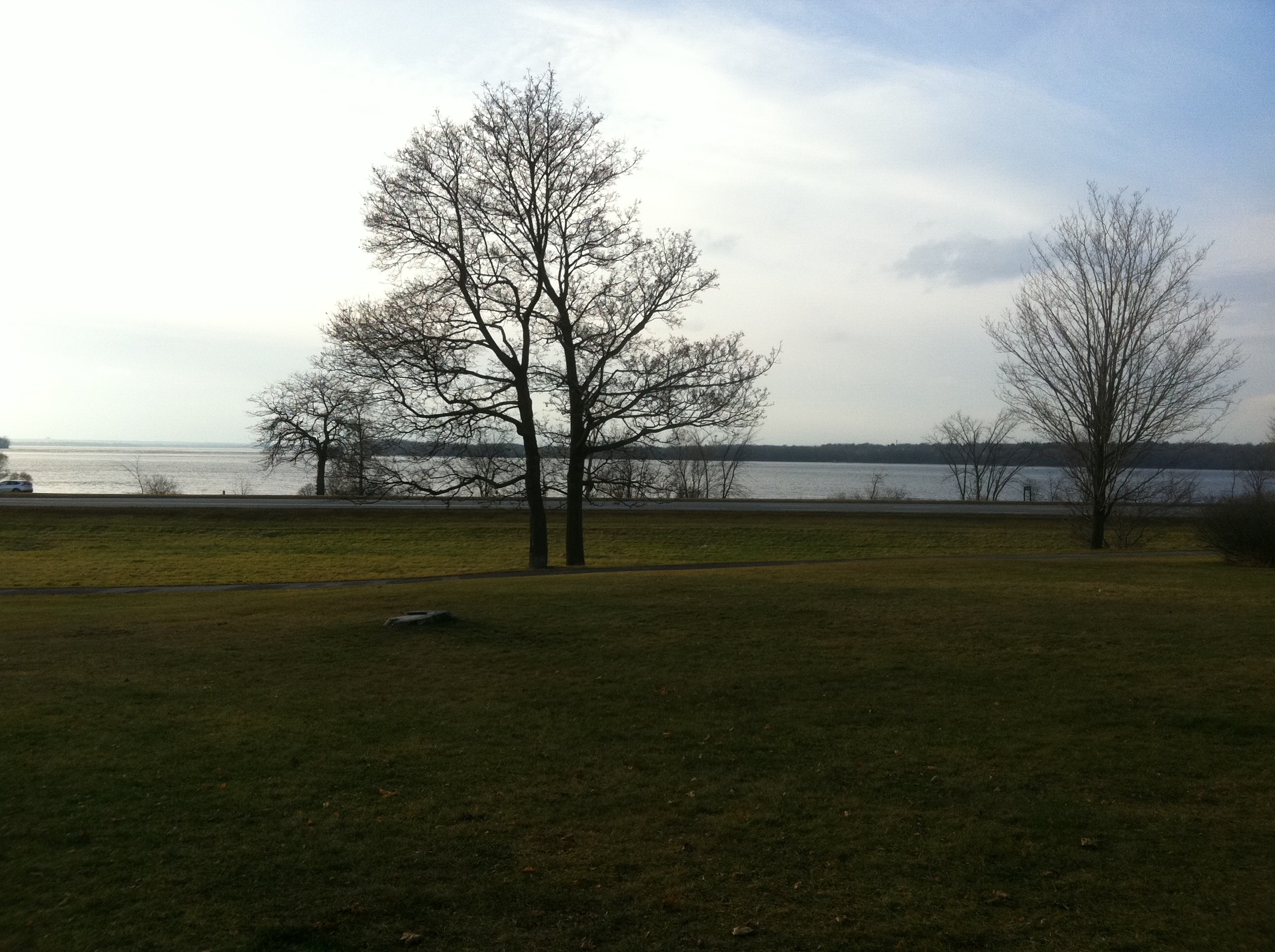
Now that we know where Honeywell House used to be, it might be worth commemorating it on a larger scale, especially considering it is Ottawa’s 200th Anniversary with no mention of the city’s first permanent resident. A replica cabin could be built by the NCC at the site to show visitors and residents alike where the our city’s first permanent family carved out a new life and place in history in a place that would become the Capital of Canada.
Andrew King, March 2026
SOURCES:
Google Maps
GeoOttawa
Nepean Township Map c4 “Nepean 1830”
Ottawa Journal 1953
Library and Archives Canada
 OTTAWA REWIND
Hi there,Gre
The sign (still there) in that park has said ‘this is where the first Ottawa home was’ since 1968.
indeed it is, as mentioned in the article. However it states “on or near this site” so I was trying to find EXACTLY where it was. Thanks for reading!
Is the Rice Avenue nearby today, connected to Honeywell’s eldest son, Rice?
I believe so!
Thanks for the interesting history!
We pass by that spot so often, unaware of the story. We’ll think of the Honeywells next time.
Thanks for taking the time to read the post and new appreciation of that area! Cheers!
Un jour il faudra une version française à cet important article
Andrew, you do such interesting research!