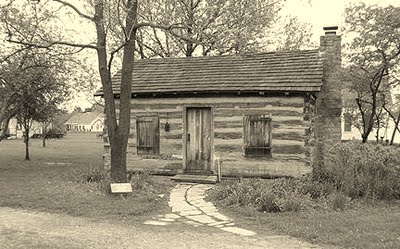
There is no replica structure, no plaque, not even a flagpole or an engraved rock. It does not appear on current maps and has been omitted from the tour books. Yet, for such an important historical marker in the National Capital’s history, you would think they would put *something* to mark the spot the first permanently constructed home in the Capital Region. The first to build a cabin in this area’s wilderness, the first to farm the land, the first to essentially build and pave the way for what would become the National Capital Region of Canada. As we approach the 225th Anniversary of this intrepid adventurer’s arrival and construction of the first house, nothing will likely be mentioned elsewhere, so I thought it would be fun to find out where exactly this pioneer homestead would have been. Maybe then those that pass by it will appreciate the history that lies before them. Perhaps this odd elusiveness of recognition is because this first homesteader was neither French, nor British, but an AMERICAN and the shame is too great to admit. His name was Philomen Wright and this is the quest to find his home from 225 years ago.
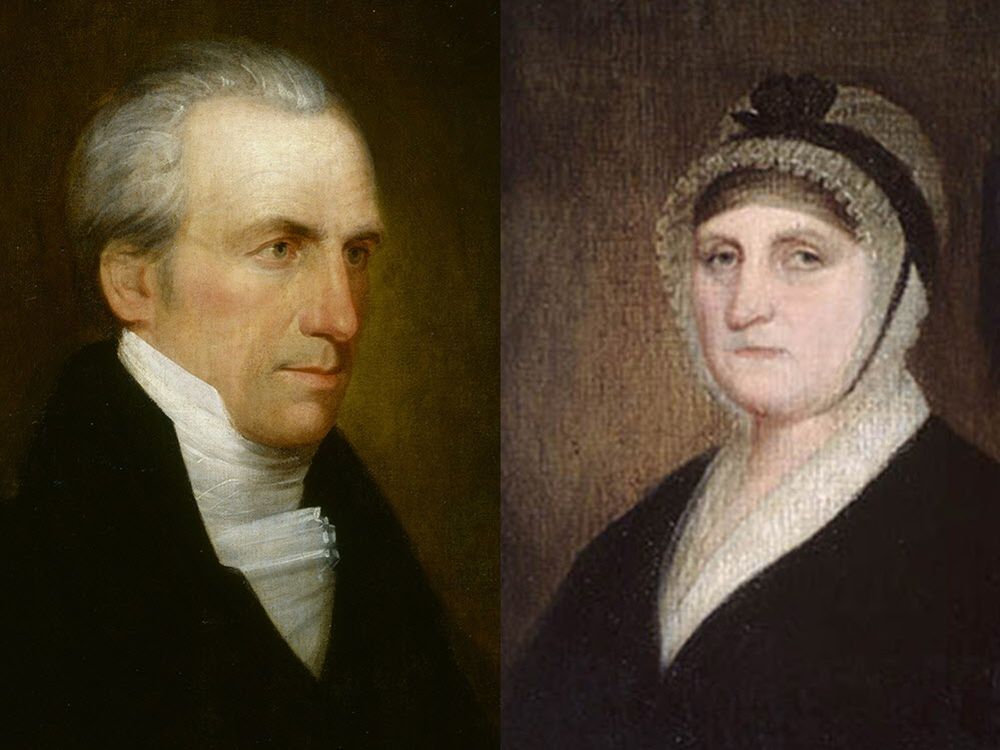
The first to arrive in the Ottawa region 225 years ago came to an area inhabited by nomadic native Algonquin tribes for centuries without any known permanent structures, a land that was a clean and fresh piece of Canadian wilderness. This person was Philemon Wright who was an American from Woburn, Massachusetts and dreamed of leaving the Boston outskirts for a new land, to create a prosperous new life in a fresh, untouched part of the continent. That part of the continent was the the unsettled land we now know as Ottawa/Hull, a land that was being divided and given to men who would turn it into the National Capital Region. Having fought against the British during the American Revolution just a few years earlier in 1776, Wright knew it would not be an easy task to secure his new land now under British control.
Lucky enough for Wright, British authorities at the time were seeking to populate the vast new lands of their colonies. They arranged a program to have group settlements in the wilds of Canada. Interim land grants were given to leaders and associates, then the associates would hand over portions of their land grants to the leader as payment to the leader who did the exploration and surveying. One of these leaders was Philemon Wright, who visited Lower Canada often, specifically the area of Ottawa/Hull. After numerous visits to this area in the late 1700s, he applied for a land grant to the British Empire. They approved his grant for a land settlement in this barren land under one condition: Every adult male in his settlement must swear an oath of allegiance to the His Majesty, the King of the British Empire.
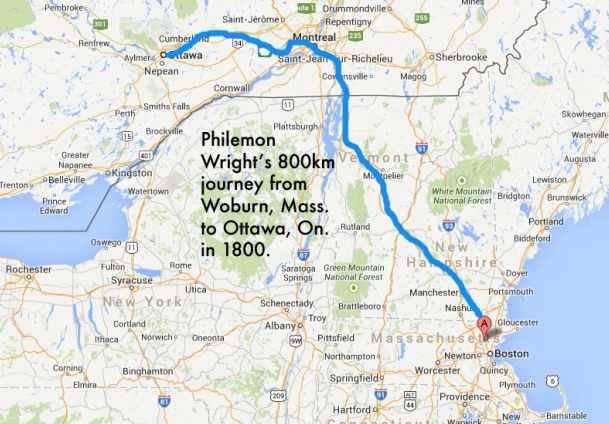
He convinced a number of his Boston neighbours and family members to sign over their land grants to him, and join him as “associates” on a journey north to settle a land no other European descendent had settled. So with 50 men, women and children, labourers and axemen, Wright set off in horse-drawn sleighs in February of 1800 for Montreal. Arriving in Montreal in March of 1800, Wright and his men swore allegiance to the King Of England and received their land grant for an area where three rivers met, the Ottawa, the Rideau and the Gatineau. His land grant and home was to become what is now Lac Leamy Park.
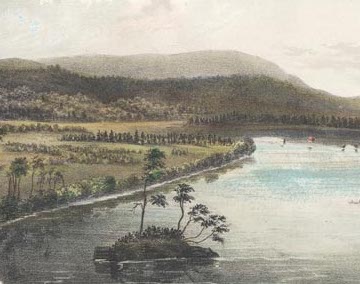
Traversing the frozen waters of the Ottawa River in March of 1800, Wright and his settlers arrived on the shores of the Gatineau with the aid of an Algonquin guide, who showed them safely to their new land. Philemon and his crew climbed up the embankment 20 feet from the shore and began to clear the area of trees, using felled logs to construct what would become the very first permanent home in the National Capital Region.
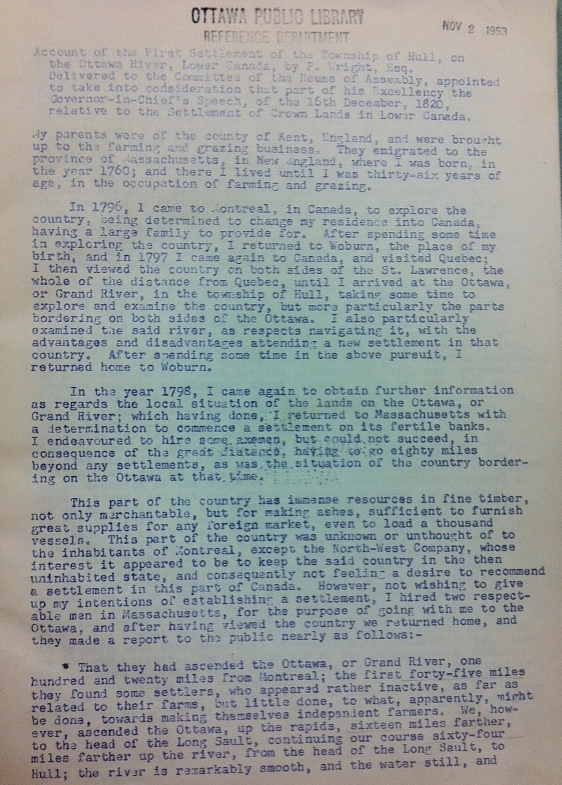
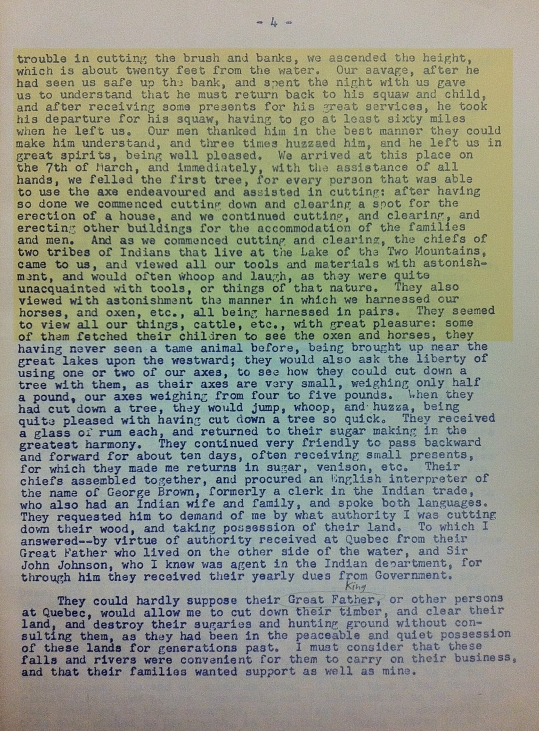
Wright had soon cleared the land and built a farm, and also built a road to the thundering and raw Chaudiere Falls where he built the first mill and began a logging empire that continued for over a century. After his empire began to blossom, Wright moved from his simple log cabin to a new home he built in Wrightstown, the town named after him that sprung up around his mill at Chaudiere Falls that would later become Hull, Quebec. In 1835 he sold his original cabin and farm, which he called Columbia Farm, to Andrew Leamy, which the area and lake are currently named after.
FINDING THE ORIGINAL CABIN
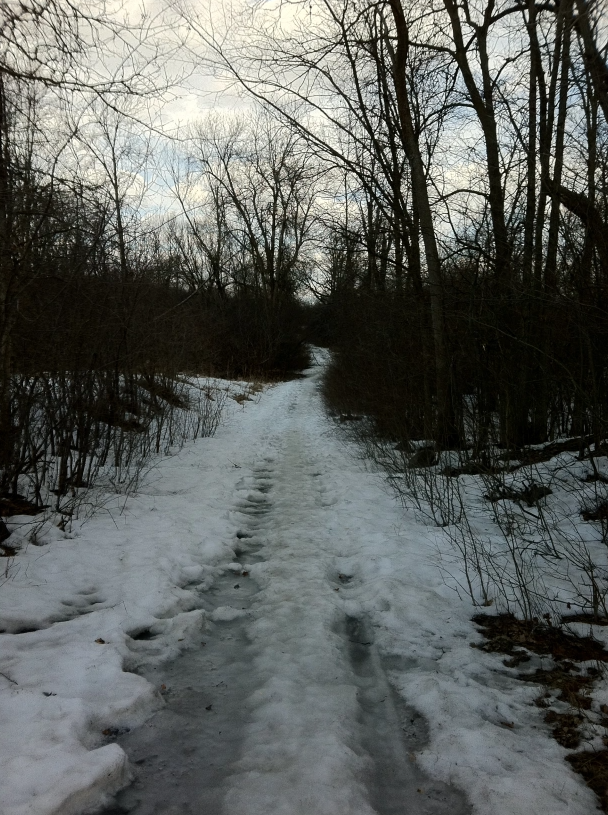
So now that we know the rough area where Wright landed and built his log cabin, what is left, if anything, of this original settlement? The original Wright farm road, which led from his original log house to his prosperous mill over by Chaudiere Falls partially remains, but where was the original cabin?
I walked down what would be the Ottawa Valley’s oldest road to see what I could find out…
Looking at old maps from the Ottawa Public Library, Wright’s personal memoirs of the first settlement, and researching various NCC and historical information about the area, we can put together a pretty good picture of where it might be.
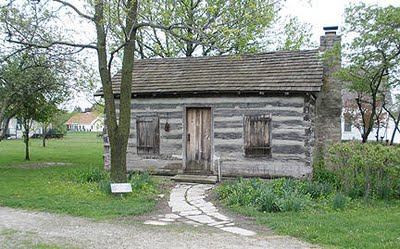
The Wright family called that home “The Wigwam”, and it is referenced numerous times in many historical accounts. The house itself was built as Wright says in his memoirs that I found at the Ottawa Public Libray:
“…built of undressed tamarac logs in true rustic shanty fashion. The chinks between the logs and scoops of the roof were caulked with moss, driven in with a thin pointed handspike, over which a rude plaster of blue clay was daubed. The chimney was very wide and low, and was built above a huge boulder which formed the back of the fireplace. There was no upper story to the rude dwelling, which was partitioned off into bedrooms at each end, with a large living room, kitchen, dining room all in one, in the centre.”
Searching the database from the Library and Archives of Canada, an old map from 1884 shows the lands owned by Wright and some buildings marked on it, including something called “Old House”. (MIKAN Item number
4133993)
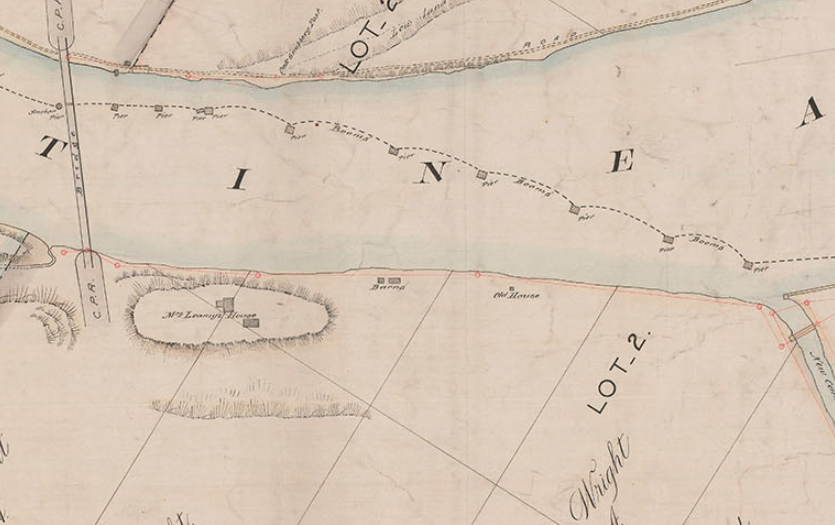
I would assume this “old house” in 1884 was the original Wright cabin from 84 years prior, as the later Leamy residence is marked on the same map further north of this structure. Using this as a focal target point, I can then import that map and overlay it on a modern Google Map to pinpoint the exact location of the 225 year old cabin.
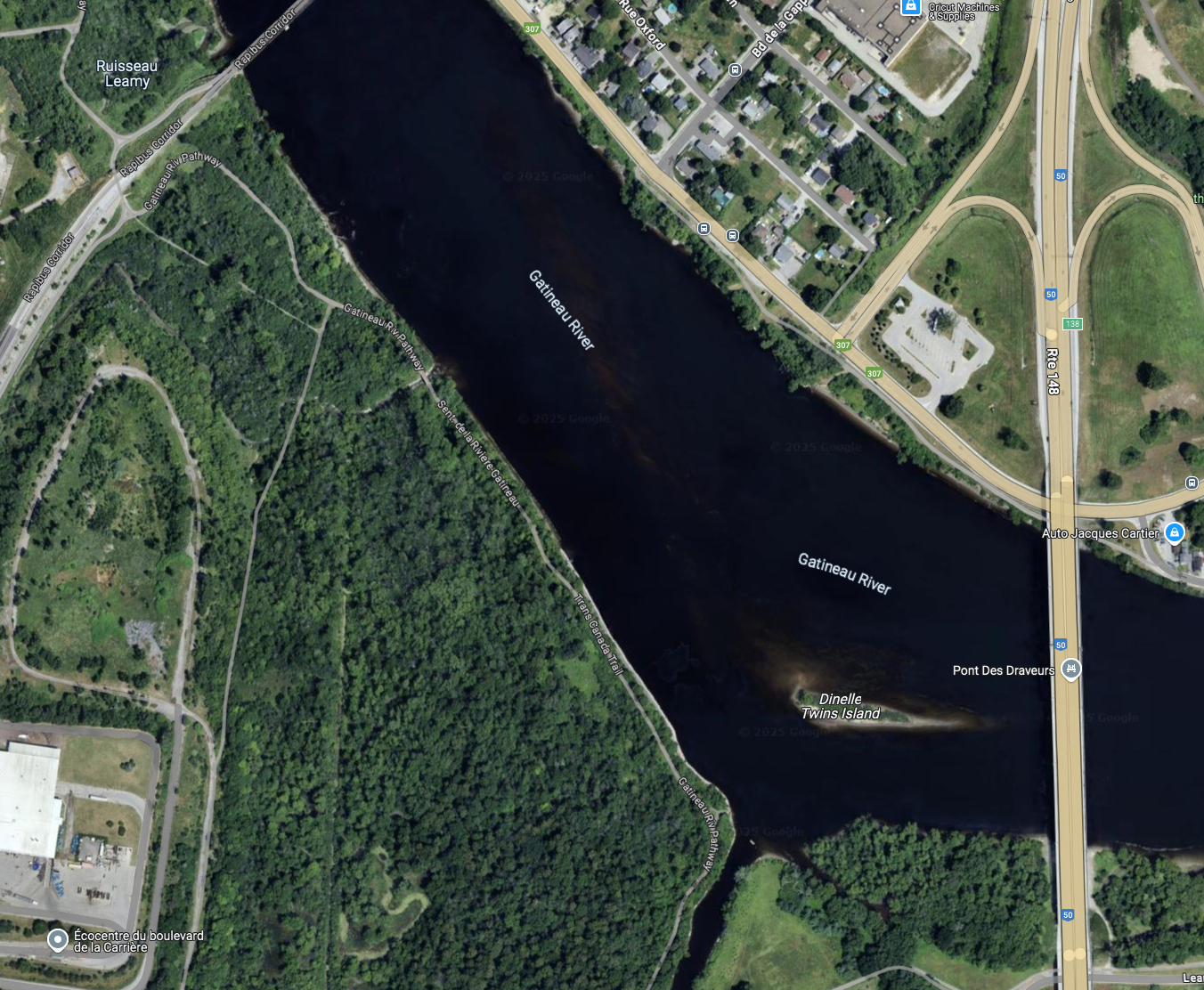

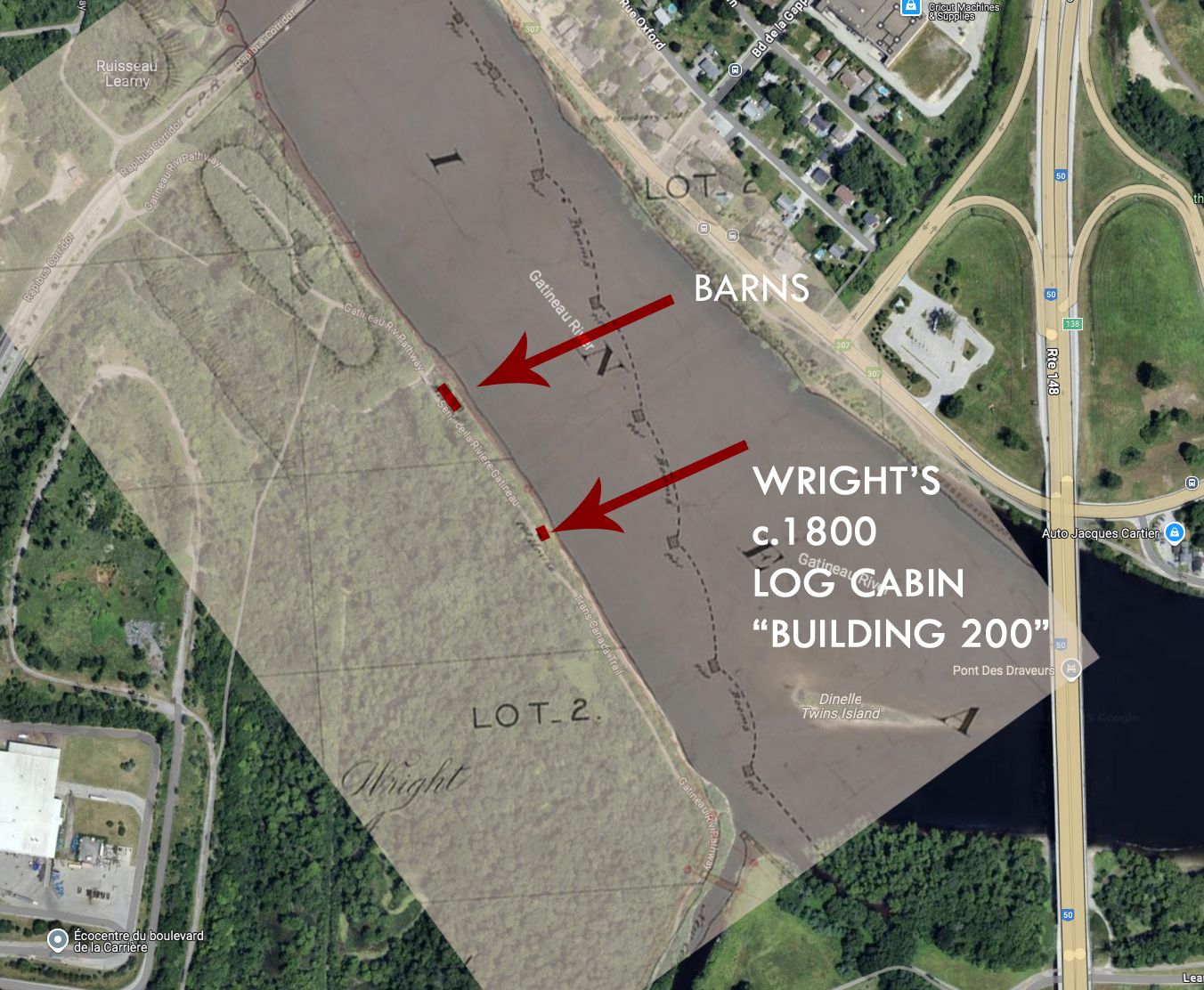

Ghosting the 1884 map over the current Google Map we can see where the cabin would have been located and go to Streetview level to investigate what is there…and absolutely nothing. Buried under a metre of snow right now in February of 2025, a visit to the site would turn up nothing, so we will have to wait til spring to see what remains, if anything. Unfortunately it looks like they paved a bike path right over the spot where Wright’s original cabin home would have been, potentially sealing up any remains beneath it.
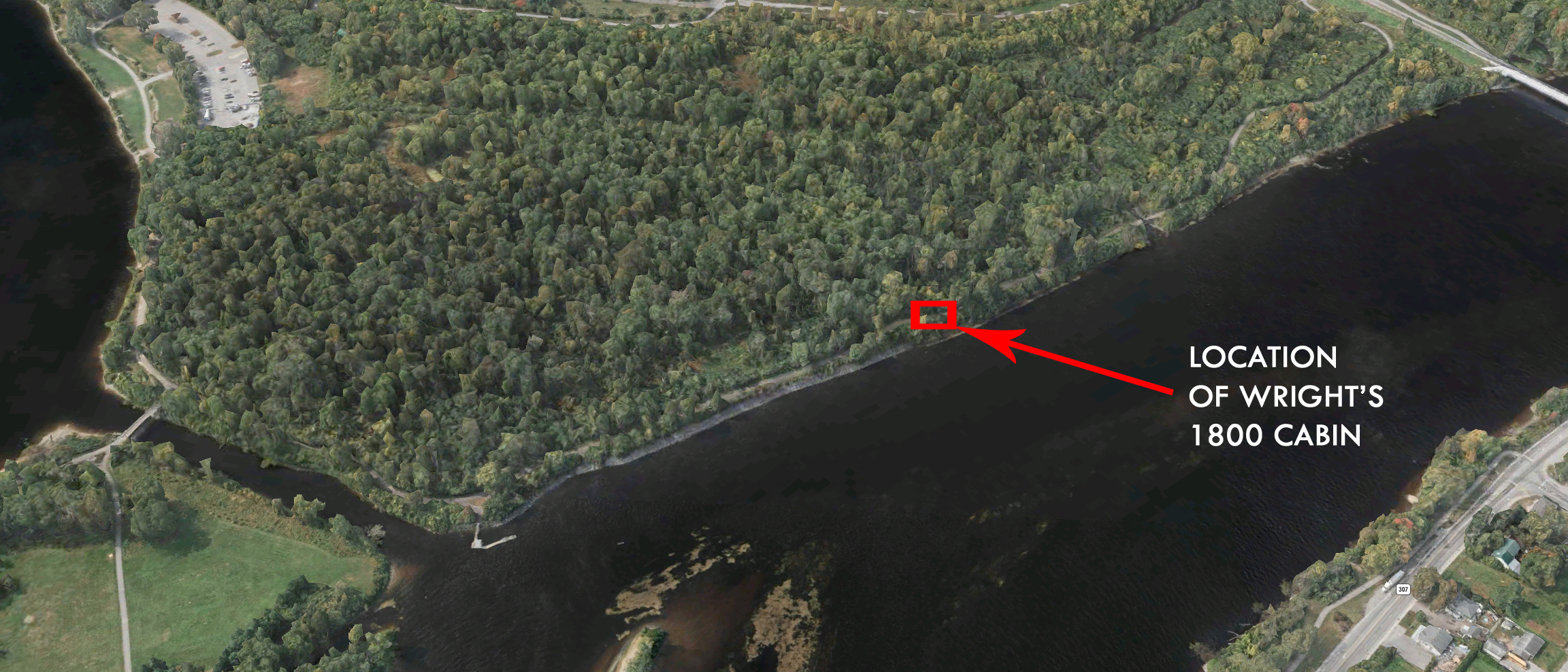
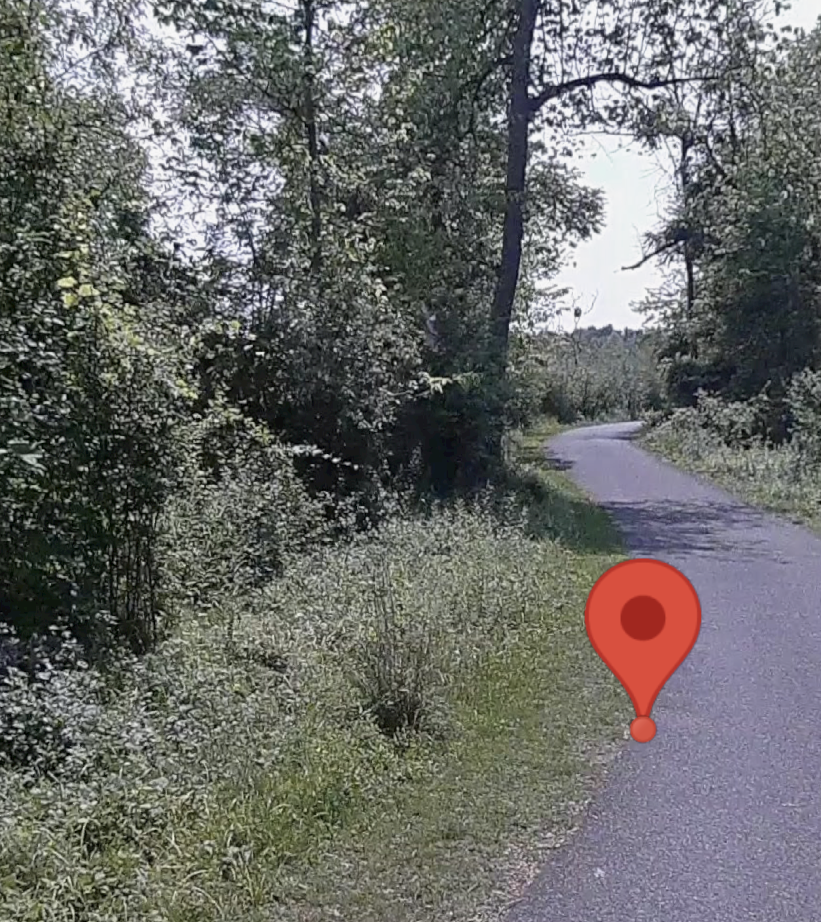
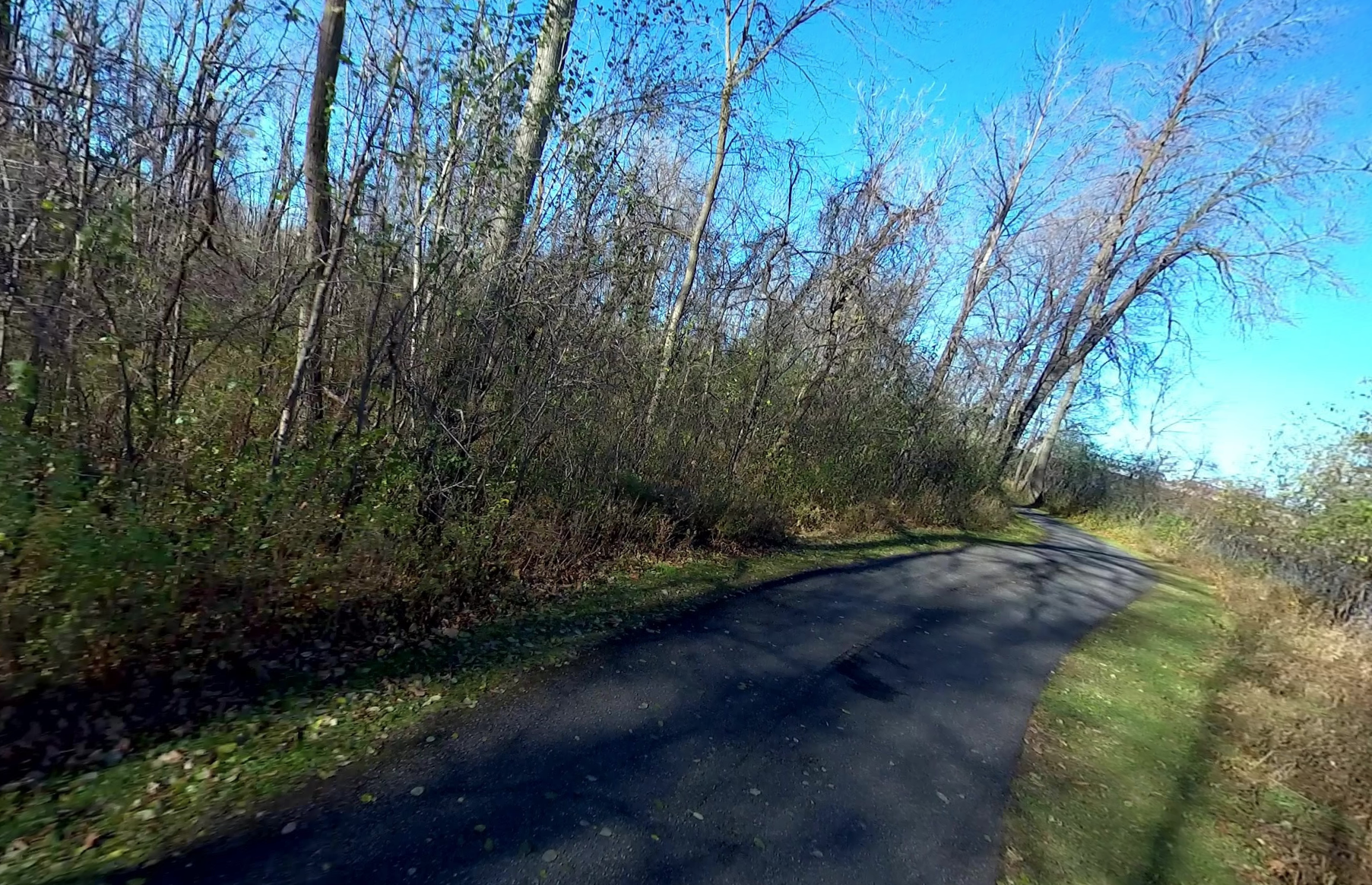
Perhaps the large boulder used as the fireplace mentioned in Wright’s account still remains at the site…or is that now the boulder that now rests in front of Philomen Wright Highschool? Anyone know?
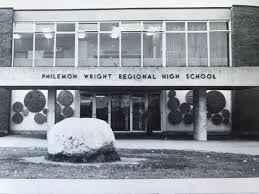
Will the NCC (National Capital Commision) that owns the land ever recognize this spot with a commemorative plaque on the 225th anniversary of the founding of the very place the agency is named after? Maybe a replica cabin? Something?
AMERICAN PRIDE
Despite the Canadian lack of recognition, it seems the Americans went full out with their commemoration of Philomen Wright’s founding of Canada’s Capital Region. In fact, back in 1980, the NCC and US State representatives erected what was the largest free-standing cast plaque in North America commemorating Wright’s settlement on the site of Wright’s original home….IN MASSACHUSETTS.
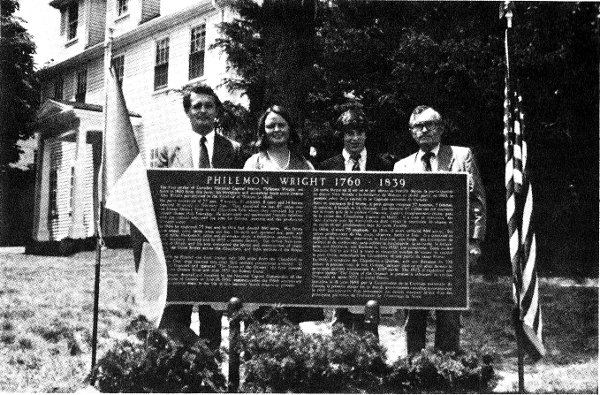
I found the final resting place of the founder of Canada’s Capital Region who lies buried in a simple grave a few kilometres away from where he originally landed 225 years ago. For whatever reason there is no marker or indication of where Wright built the first permanent home in the NCR, perhaps because he happened to be an American who would create the cradle of Canada’s Capital.
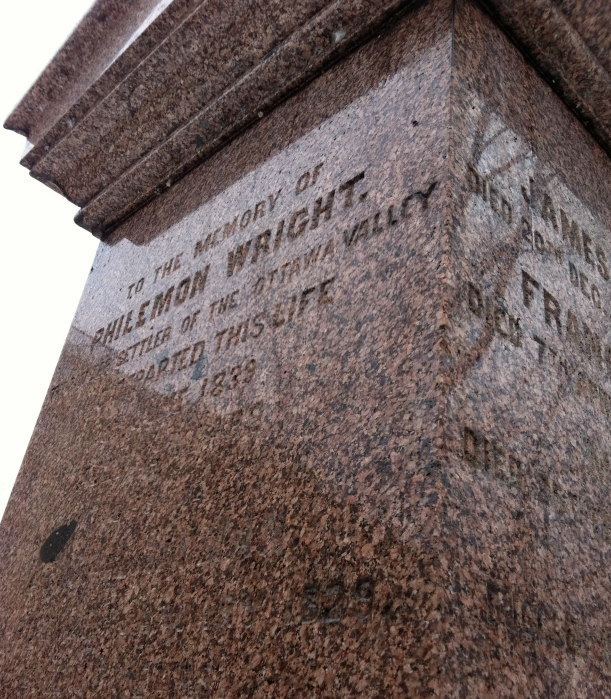
It seems sad to stand on the spot where a man worked so hard to create a life for himself with nothing there to commemorate his efforts. It remains ignored and forgotten, but I would like to think that the legacy of Wright and his cabin, the first of its kind in the Ottawa Valley, will one day be recognized for its historical importance and a place for all of us to visit, enjoy, and reflect upon in the years to come.
Andrew King, February 2025
SOURCES
“Account Of The First Settlement Of The Township Of Hull, On The Ottawa River, Lower Canada”. By Philemon Wright, 1820. Ottawa Public Library.
http://en.wikipedia.org/wiki/Philemon_Wright
http://en.wikipedia.org/wiki/Andrew_Leamy
http://www.westquebecers.ca/?action=show&lid=11D7E-GQVKL-29AZ7&mid=32
http://www.gvhs.ca/publications/utga-memorial.html
http://www.ncc-ccn.gc.ca/property-management/what-we-manage/archaeological-investigations-ncc-lands
http://www.bytown.net/wrightpm.htm
Google Maps
 OTTAWA REWIND