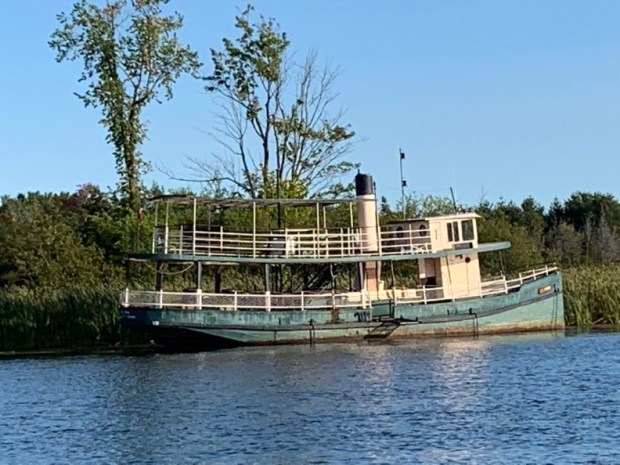
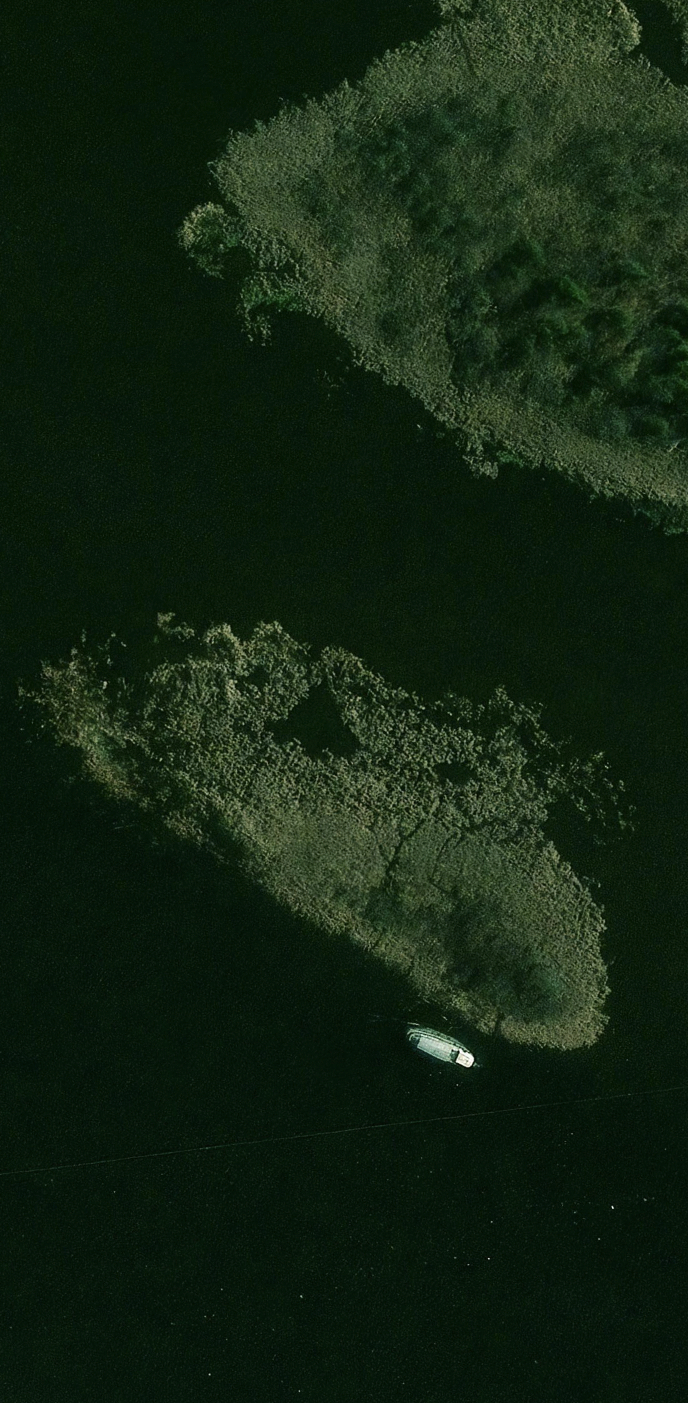
If you have ever travelled by watercraft along the Rideau River near the village of Kars, you may have spotted a derelict old boat quietly languishing in the reeds of the riverbank. Its hull rusting, the paint fading, this nautical relic of the past holds quite a bit of history on its decks…a history that spans over a 120 years. Always curious about this seemingly forgotten ship that has been sitting there for years, here is what I could find about our sadly neglected GHOST SHIP OF THE RIDEAU CANAL…
The story of our ship begins when it was built as the “SS Planet” in 1903 down in Buffalo, New York. I am not sure for what purpose she was constructed, but the SS Planet went on to become a part of some unsavoury criminal adventures.
Built 55 to 61 feet in length, she has a 14–15 feet beam, and a 5.5-foot draft. A robust steel hull, and is 25 tons.
After it began operation, the SS Planet was seized for what was called “Running the Line”, a practice that was common in the days of Prohibition and fishing disputes between the American and Canadian border. These ongoing border disputes over fishing rights and the start of Prohibition caused the seizure of many a vessel on the Great Lakes in the early 1900’s. Only a few years after she was built, the SS Planet was seized in 1909 by the Department of Marine and Fisheries, later called the Canadian Coast Guard.
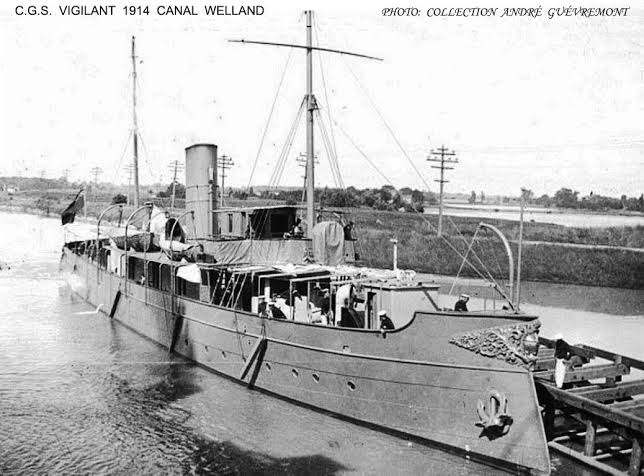
Twenty years after her capture, the steamer was then changed to the name “Racey” in 1929. Then again changed to “Paul Evans” in 1957 at its place of harbour Owen Sound.
Later it was sold to the Owen Sound Historical Society in 1975. Then sold to H. Gamble in 1980, and its name changed back to “SS Racey”.
After being retrofitted with a diesel engine during its ownership changes, in 1989 she was converted back to steam power.
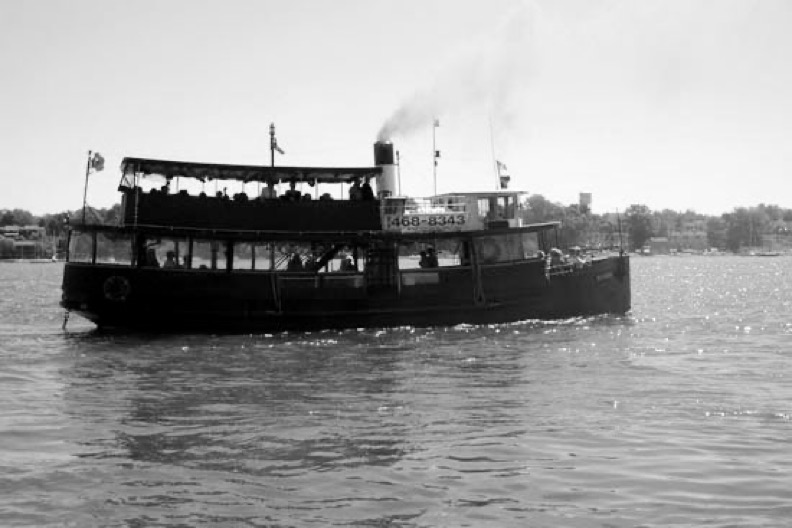
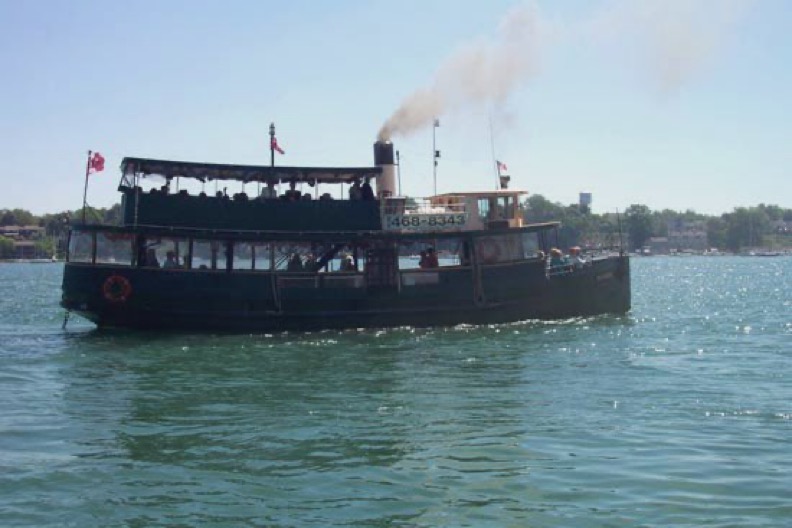
Using the original 1895 Doty steam engine powered by a wood burning boiler, the 1989 “SS PUMPER” operated as a tourist vessel on the Niagara River until around 2004 when it then came to rest on the Rideau River near Kars, On. where it remains today.
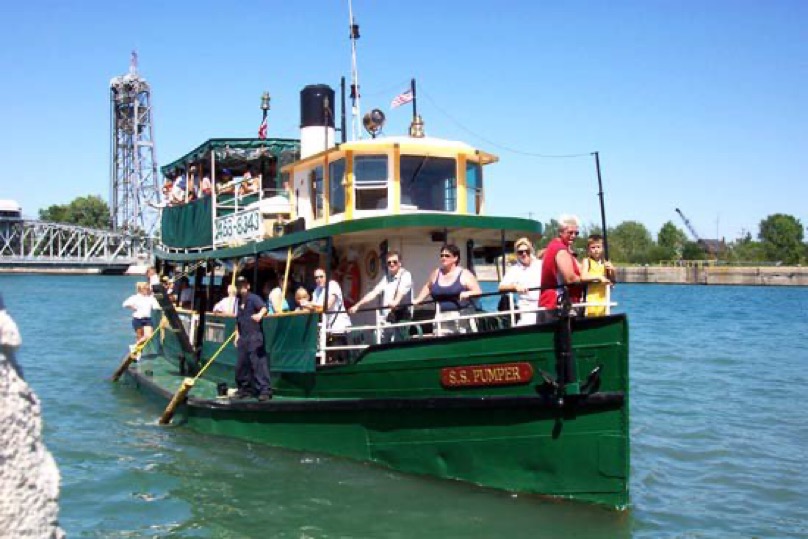
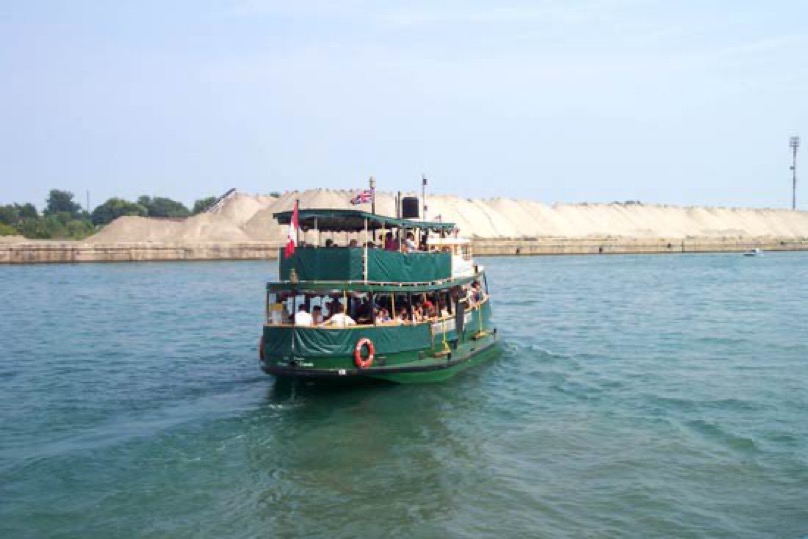
Now a forgotten floating time capsule, lost in the reeds of time, The “SS Pumper” is the last wood burning steamship to survive in North America…a 117yr old tribute to the bygone steamship days of the Rideau Canal and the mariners of Canadian history.
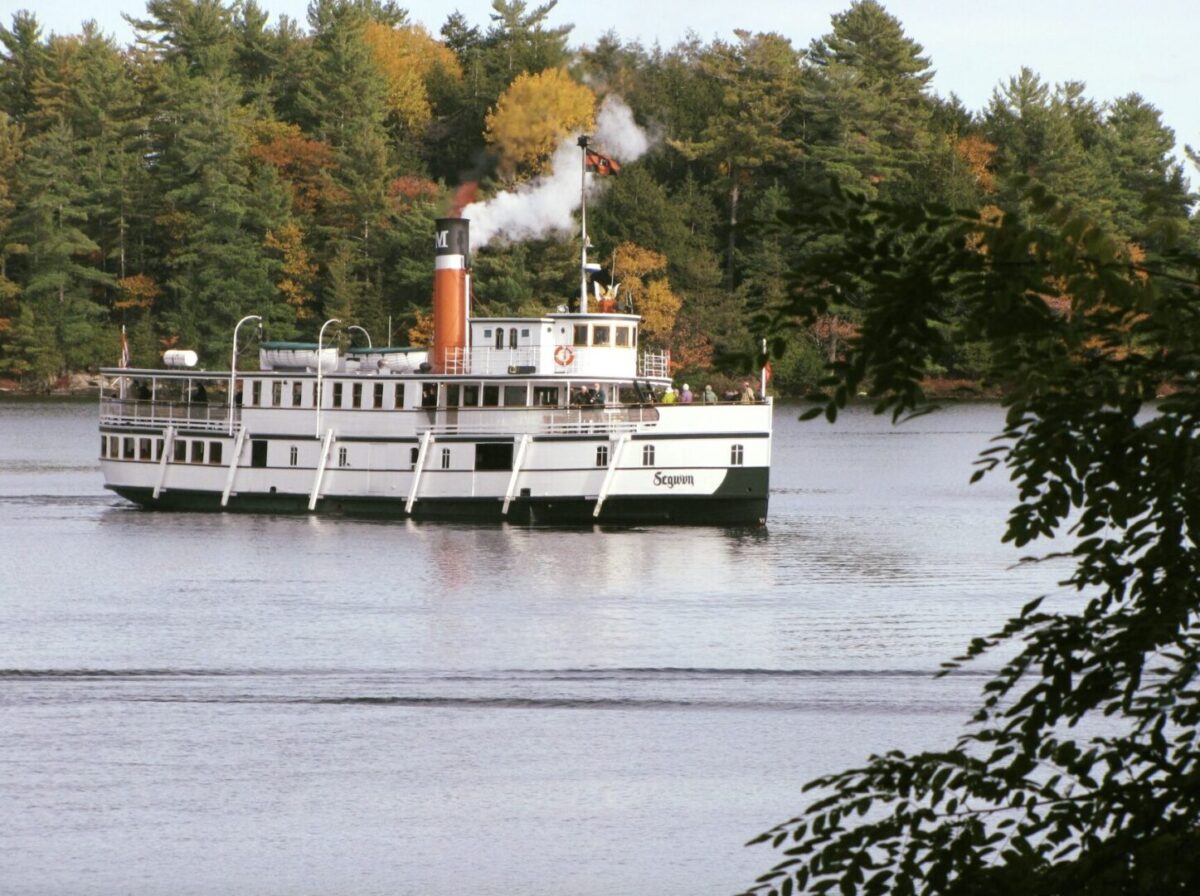
In Muskoka, the RMS Segwun is an 1887 twin-propeller powered by the same vintage Doty compound steam engines but uses a coal-fired Scotch marine boiler, making the SS Pumper the oldest WOOD BURNING steamship in North America.
A sad fate for such a historic steamship, SS Pumper quietly sits anchored among the reeds of the Rideau River. The word on the river is that the ship’s core mechanical issue is its steam power system. According to local marine accounts and property records, the vessel is essentially sidelined because it is awaiting a brand new boiler.
Transport Canada and provincial safety authorities (like Ontario’s Technical Standards and Safety Authority – TSSA) govern such steam pressure vessels.
- Boiler Certification: Any steam boiler is classified as a high-pressure vessel. The boiler must pass regular, rigorous safety inspections, ultrasonic thickness testing, and pressure tests to ensure it will not rupture.
- Commercial vs. Pleasure Craft: If the boat is operated for private pleasure, the rules are slightly different than if it is used commercially (like the SS Pumper’s old tour business). Commercial passenger vessels require much more stringent, expensive commercial hull inspections and certified steam engineers to operate them.
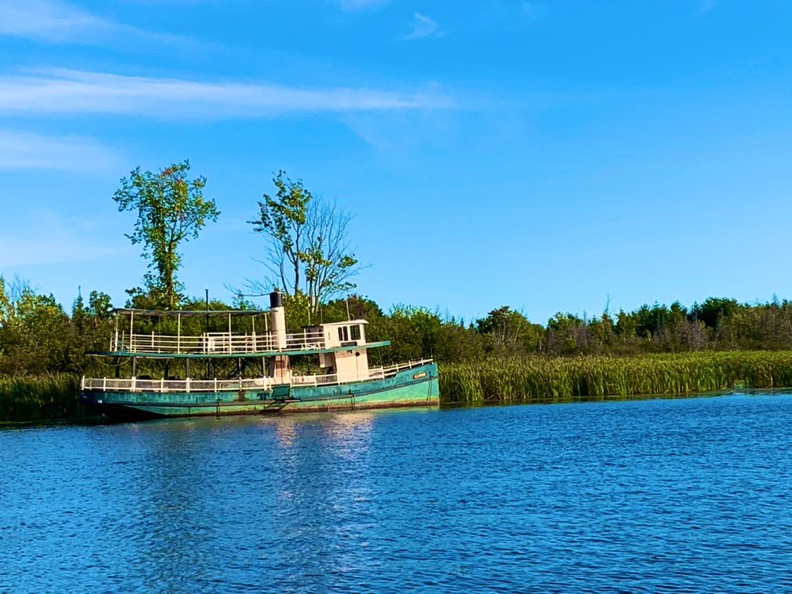
With our 123 year old steamship’s fate remaining unknown, you can still paddle by and admire its rich maritime history from the Great Lakes Prohibition Days, to the Niagara River, and finally to where the oldest wood burning steamship in North America rests in the reeds of the Rideau River. Perhaps someday we will see her historic hull ply the waters once again to admiring crowds and passengers alike, its steam engine billowing steam and putting along like it once did over a century ago.
Andrew King, October 2026
*From my original research post on Twitter in Sept. 2020

